The Symposium by Plato [PDF]
by InfoBooks
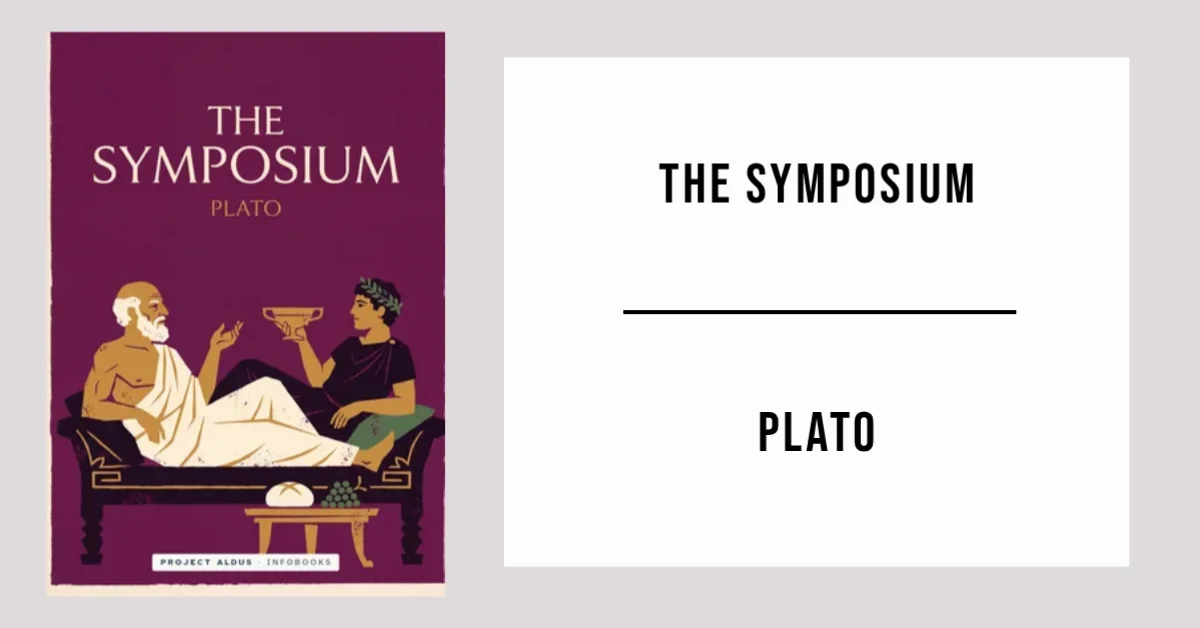
The old idea that each of us is looking for a lost other half gets its most famous telling in The Symposium, and Plato hands it to a comic poet. Aristophanes tells the other guests that the first humans were round, with four hands and four feet, until Zeus cut them in two.
This version of The Symposium in PDF is our own edition from Project Aldus: the complete text of Benjamin Jowett's translation, set so you can follow the speeches one after another and come back to the one you want to reread.
The download is free and needs no sign-up. One click and you have the whole banquet, from the speech of Phaedrus to the moment Alcibiades bursts in drunk.
The Symposium by Plato
*Please wait a few seconds for the document to load, the time may vary depending on your internet connection. If you prefer, you can download the file by clicking the link below.
Loading PDF...
Information: The Symposium
- Author: Plato.
- Publication Date: Approximately in the year 380 B.C.
- Main Characters:
- Phaedrus: Gives the first speech in praise of Love, since Eryximachus calls him the father of the idea.
- Pausanias: Argues that there are two Loves, one heavenly and one common.
- Eryximachus: Physician who proposes the speeches and treats Aristophanes' hiccough.
- Aristophanes: Comic poet who tells the myth of the first humans cut in two by Zeus.
- Agathon: Tragic poet who hosts the banquet, the day after celebrating the victory of his first tragedy.
- Socrates: Repeats what Diotima of Mantineia taught him about love and beauty.
- Alcibiades: Arrives late and drunk, and praises Socrates instead of Love.
- Brief Summary: The Symposium is a dialogue set at a banquet in the house of the poet Agathon, the day after he celebrated the victory of his first tragedy. Apollodorus retells it years later, as he heard it from Aristodemus, one of the guests. The company agrees to drink lightly and take turns giving a speech in praise of Love: Phaedrus, Pausanias, the physician Eryximachus, the comic poet Aristophanes, with his myth of the first humans cut in two, and Agathon himself. Socrates then repeats what Diotima, a wise woman from Mantineia, once taught him about desire and beauty. The evening ends when a drunken Alcibiades bursts in and gives a speech of his own, in praise of Socrates.
- Thematic Analysis: "The Symposium" addresses themes such as love, beauty, human nature, and the pursuit of truth. Through the different perspectives presented by the characters, Plato examines the various manifestations of love and emphasizes the importance of transcending physical desires to attain a higher, more spiritual love.
- Historical Context: "The Symposium" was written in ancient Greece during the classical period of Greek philosophy. Plato, a disciple of Socrates and teacher of Aristotle, developed his philosophy through dialogues like "The Symposium," using fictional characters to convey his ideas. The work reflects the mindset and intellectual debates of the time, as well as the influence of sophist philosophy and Greek culture in general.
Collection
Books by Plato
Here is our complete collection of free books by Plato