Looking for embryology books? We've gathered 9 free embryology books in PDF, covering human embryology and animal embryology.
These books explain how organisms develop from a single cell into complex living beings. From fertilization and gastrulation to organ formation, they cover the key stages studied in biology and medical programs.
Browse by topic below. Every book is free to read online or download as PDF.
Human
Books on Human Embryology
Human embryology traces the stages of development from fertilization to birth. These textbooks cover gametogenesis, organogenesis, and congenital conditions used in medical school courses.
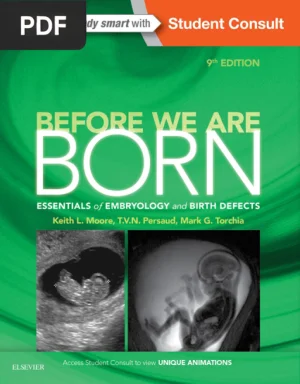
Covers human development from fertilization to birth, with clinical correlations on birth defects. Includes ultrasound images and detailed illustrations of each developmental stage.
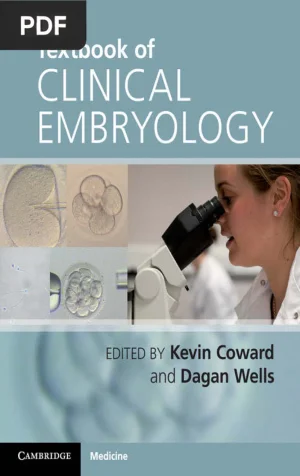
Comprehensive embryology textbook with chapter highlights and clinical correlations. Covers gametogenesis, organogenesis, and congenital anomalies across all body systems.
University-level embryology textbook covering all developmental stages from fertilization to organ system formation. Written for medical students in a clear, structured format.
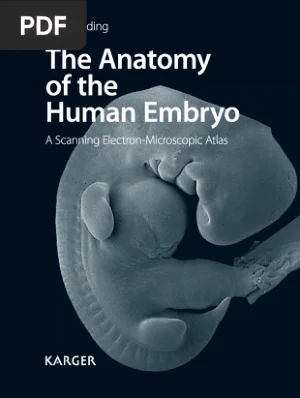
Contains 818 scanning electron microscope figures showing the detailed anatomy of human embryos. A visual reference for researchers and advanced students of human development.
Book chapter covering all stages of CNS development from neurulation to myelination. Includes Carnegie staging, embryo photographs, and developmental malformation discussion.
Explores how Wilhelm His created modern human embryology through anatomical norms. Covers the history of embryo collecting, staging, and the controversies that shaped the field.
Concise study guide organized by chapters covering gametogenesis, fertilization, gastrulation, organogenesis, and special senses development. Designed for medical students preparing for exams.
Comparative and veterinary embryology explores how different animal species develop. These resources cover developmental anatomy and the history of model organisms in embryology research.
Covers embryogenesis across domestic animal species including musculoskeletal, cardiovascular, digestive, urinary, genital, and nervous system development. Includes a list of congenital anomalies.
Examines how different research approaches shaped species choice in embryology, from 19th-century comparative anatomy to modern model organisms like chick, Xenopus, mouse, and zebrafish.