These healthy eating books answer a simple question: what should you actually put on your plate? Each one is a free PDF from a trusted source, like the World Health Organization or the Dietary Guidelines for Americans.
You'll learn how to build meals around fruits, vegetables and whole grains. Some guides focus on heart health, others on feeding kids, older adults or a family on a tight budget.
Every book is free to read and download, with no sign-up. For the science behind the advice, see our nutrition books.
📚
Download every Healthy Eating book on this page
All the books on this page in one ZIP file, instead of downloading them one by one.
We will redirect you to accounts.google.com to complete sign-in.
Email and name only · We never send spam
Access unlocked
Download every Healthy Eating book on this page
All the books on this page in one ZIP file, instead of downloading them one by one.
Direct download · One ZIP file
Download started. Check your downloads folder for the ZIP.
Guidelines
Books on Dietary Guidelines
Start here if you want the basics of healthy eating. These official guides from the WHO, the USDA and Harvard explain how to build a balanced plate and limit added sugar and salt.
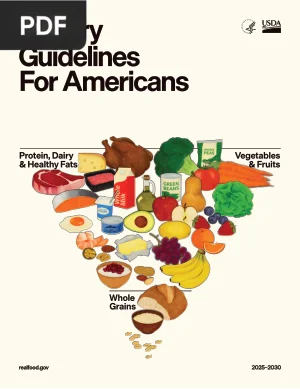
The newest edition of the official dietary guidelines, built around one message: eat real food. It covers protein, dairy, healthy fats, fruits, vegetables and whole grains, and explains why to cut back on highly processed foods, added sugars and sodium.
U.S. Department of Agriculture and U.S. Department of Health and Human Services
The complete 2020-2025 edition of the Dietary Guidelines for Americans, with eating recommendations for every life stage from infancy to older adulthood. Includes food group targets, sample eating patterns and detailed tables on calories and nutrients.
A clear guide from the World Health Organization on what a healthy diet looks like at every age. It explains how to limit salt, sugar and unhealthy fats, and why fruits, vegetables and whole grains protect you from chronic disease.
A full-length book that cuts through conflicting nutrition advice with plain explanations of the science. Written as a conversation, it covers calories, fats, carbohydrates, protein and how to build a diet that works for the long term.
A digest of recent nutrition research from Harvard's Department of Nutrition, turned into practical advice. Topics include your plate and the planet, sweeteners, what to drink, mindful movement and tips for better sleep.
A science-based guide from Dr. Michael Greger and NutritionFacts.org on how whole plant foods help prevent the leading causes of death. It explains what to eat more of, what to limit and how to put it into practice every day.
A review of national food-based dietary guidelines from around the world, focused on what they recommend for infants, children, adolescents and women. Useful for anyone who wants to compare how different countries define a healthy diet.
A friendly healthy eating guide that starts with dividing your plate and moves on to reading labels, choosing snacks and eating out. Recipes at the back help you put each tip into practice.
Simple steps for healthier meals, drinks and snacks, plus tips to shop smart, cook nutritious food and eat right when eating out. It also shows how to build more physical activity into a busy day.
A visual guide to the food pyramid that shows how many servings to eat from each food group. Includes tips to plan meals, choose wholegrains and control portion sizes for adults, teens and children over five.
A short guide on building a healthy eating pattern that fits your tastes, traditions and budget. It explains how to mix foods from every food group and limit added sugars, saturated fat and sodium.
Seven simple steps to a healthier diet, from giving vegetables a main role on your plate to avoiding hidden sugar and salt. Each step comes with easy ideas you can try at your own pace.
Seven foundational ideas for eating better, inspired by the advice to eat food, not too much and mostly plants. It covers fruits and vegetables, eating less meat and building habits that suit you.
Ten tips for combining good nutrition with physical activity and sports. It explains how grains, protein, dairy and water fuel your body before, during and after exercise.
A heart-healthy diet means less salt, better fats and more fiber. These guides explain eating plans like DASH that help lower blood pressure and cholesterol.
The complete guide to the DASH eating plan, proven to lower blood pressure. It explains how many servings to eat from each food group, how to cut back on sodium and includes a week of sample menus and recipes.
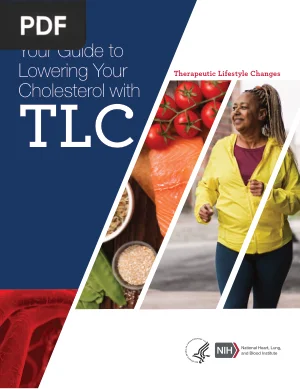
A practical program to lower your cholesterol through Therapeutic Lifestyle Changes. It covers which fats to cut, how much fiber to eat, how to read food labels and how to stay active, with sample menus.
Seven days of DASH menus to help you lower your blood pressure without special foods or complicated recipes. Each day shows breakfast, lunch, dinner and snacks with the servings from every food group.
The American Heart Association's recommended eating pattern in two pages. It explains how to choose vegetables, whole grains, fish, legumes and healthy oils, and what to limit for a healthier heart.
An essential guide from a heart and stroke charity on how the food you eat affects your health. It explains what a balanced diet looks like and how to cut down on saturated fat, salt and sugar to lower your risk of heart disease.
An at-a-glance guide from HEART UK, the cholesterol charity, to lowering cholesterol and triglycerides through food. Each food group is split into best choices, occasional foods and foods best avoided.
Healthy eating habits start early, from a toddler's first meals to a school lunchbox. These guides help parents plan snacks, handle picky eaters and make mealtimes calmer.
A practical guide for parents of toddlers aged 12 to 24 months. It explains how to make mealtimes pleasant, avoid pressure to eat and plan healthy meals and snacks for a growing child.
A guide for parents and caregivers of preschoolers on how much to serve from each food group, how to deal with picky eating and how to share feeding jobs with your child.
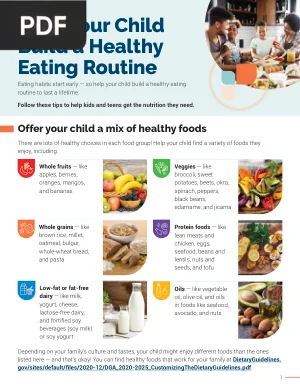
Tips to help kids and teens get the nutrition they need, from offering a mix of healthy foods to limiting added sugars and sodium. Includes ideas to make healthy eating a family routine.
U.S. Department of Agriculture and U.S. Department of Health and Human Services
Parent tips to help your kids eat healthy and move more, starting with small changes the whole family can make. It shows how to talk to children about healthy food in ways that matter to them now.
Guidance on healthy food and drinks for children in early learning services, from babies to five-year-olds. It covers what to offer, safe food practices and how to support healthy habits in daycare settings.
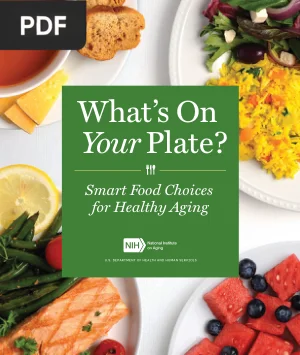
A complete guide to eating well as you get older, from the National Institute on Aging. It covers healthy eating patterns, how many calories you need after 50, reading food labels, shopping on a budget and food safety.
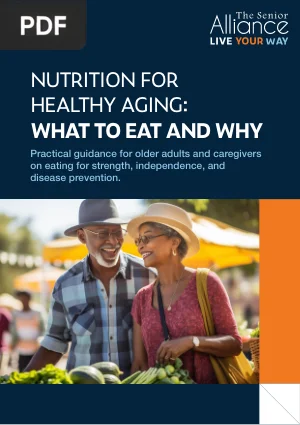
Practical guidance for older adults and caregivers on eating for strength, independence and disease prevention. It covers nutritional needs after 60, meal planning, managing chronic conditions, hydration and food safety.
Smart food choices for people over 50, with tips on vegetables, whole grains, healthy fats and how much to eat each day. It also explains how aging changes appetite and what to do about it.
Why healthy eating matters more as you age and what can get in the way, from a weaker sense of taste to trouble chewing. Includes practical tips to keep your appetite up and eat well every day.
A six-lesson workbook on buying and cooking fresh vegetables, from shopping at farmers markets and grocery stores to preparing them raw, steamed, sauteed and roasted. Each lesson includes activities and simple recipes.
Fourteen tips for eating healthy while spending less, from planning meals and buying in season to cooking at home and growing your own food. Includes resources to learn more about each tip.
Practical strategies to eat well without breaking the bank: take stock before you shop, plan meals, choose frozen and canned produce and compare prices. Includes budget-friendly recipe ideas.
A registered dietitian shares how to keep both your diet and your grocery bill in check. Tips include setting a weekly budget, comparing prices, buying generic brands and cooking in batches.
Send this page to someone who’d love to read it. Everything is free, no sign-up needed.
Esc
Start typing to search...
Searching...
No results found
Try different search terms
Your book is downloading!
If InfoBooks helped you, you can support us in one click: add us as a preferred source on Google. You'll see more of our books when you search, and you'll help us keep sharing free reading with everyone.
Done! Your book is downloading
Know someone who’d enjoy reading it? Send them this page. It’s free, no sign-up needed, and you help us spread the love of reading.