A street guide to Marxism written by young activists, covering class, capitalism, imperialism and oppression in plain, punchy language. A fast way into the big ideas with no background needed.
A Marxism 101 course in seven short topics: historical materialism, class struggle, exploitation, crises, the state, oppression and imperialism. Built for self-study or reading groups.
Engels' own short introduction to Marxism, tracing socialism from the utopian dreamers to the materialist view of history. The classic first read before tackling Marx.
A study course that starts from the basic question of matter and mind and walks through materialism, dialectics and the history of philosophy up to Marx. Clear and structured for self-study.
A compact overview of Marx's life and ideas, from his Hegelian roots to historical materialism and Capital. A solid primer to read before Marx himself.
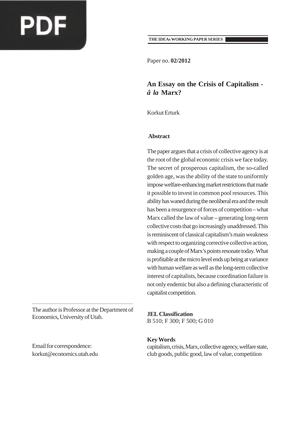
A short paper arguing that Marx's ideas on justice and equality still matter today, even for readers who reject communism. A good starting point for debating Marxism's place now.
Rayees Ahmad Wani, Rauoof Raja Dar and Khursheed Ahmad Bhat
The founding work of Marxist economics, explaining commodities, labour, surplus value and the accumulation of capital. This is the classic Moore and Aveling translation edited by Engels.
Marx and Engels settle accounts with the Young Hegelians and set out the materialist conception of history for the first time, starting with the famous chapter on Feuerbach.
Marx's sharp notes on a socialist party platform, where he sketches the transition to communism and the principle from each according to his ability, to each according to his needs.
Marx's account of the 1871 Paris Commune, the first workers' government, and the lessons he drew from it about the state. Includes Engels' introduction.
Engels' wide-ranging defense of Marxism across philosophy, political economy and socialism. The most complete statement of Marxist theory written in Marx's lifetime.
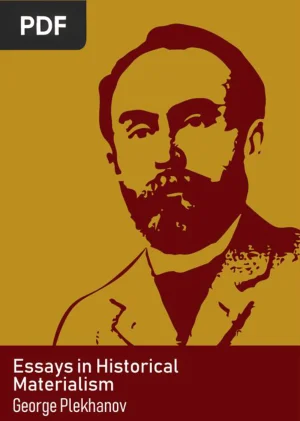
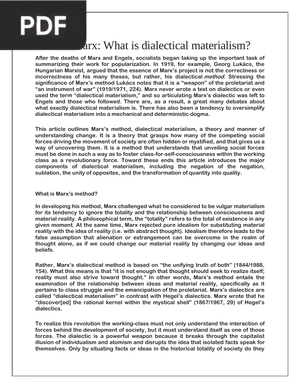
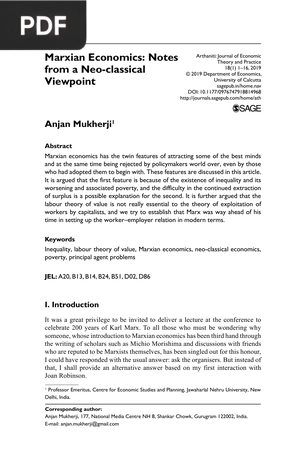
Historical materialism is the engine of Marxism: history moves through material conditions and class struggle. These books take you from the basics of dialectics to its hardest debates.
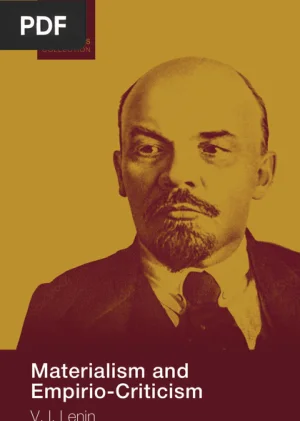
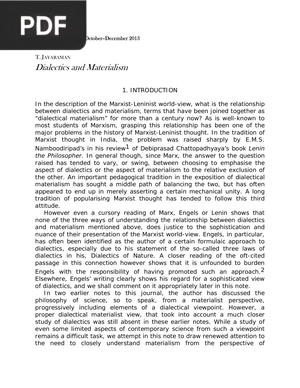
Lenin's major philosophical work, defending dialectical materialism against the idealist trends of his day. Essential for the Marxist theory of knowledge.
Essays by the Italian philosopher on the scientific status of historical materialism and Marx's theory of value. A classic critical reading from outside the Marxist camp.
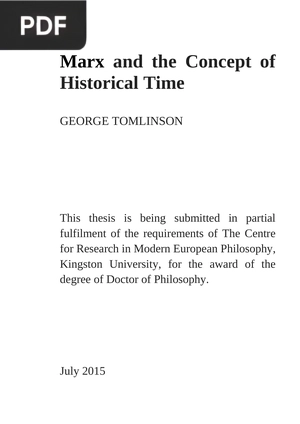
A doctoral thesis on how Marx thinks about time and history, questioning the idea of linear progress in his work. For advanced readers of Marxist philosophy.
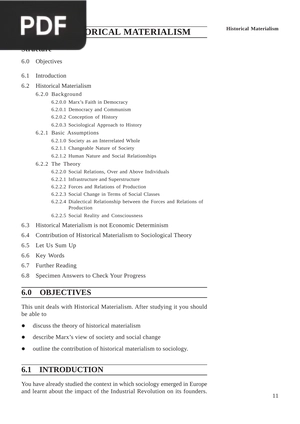
A university study unit on historical materialism: base and superstructure, forces and relations of production, and class-driven social change. Includes objectives and key terms.
A clear walk through the key ideas of Capital and how they break with classical economics. A helpful companion for first-time readers of Marx's economics.
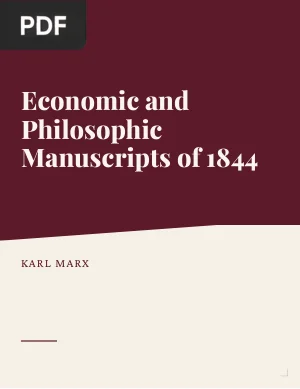
Why does work feel like it belongs to someone else? Start with Marx's Economic and Philosophic Manuscripts of 1844, then see how scholars use the idea today.
The state, ideology and revolution through a Marxist lens, with Rosa Luxemburg's classic debate on reform. These books explain how Marx and his followers thought power really works.
Luxemburg's classic answer to Bernstein: can capitalism be reformed into socialism, or does it take a revolution? Still the sharpest text on that debate.
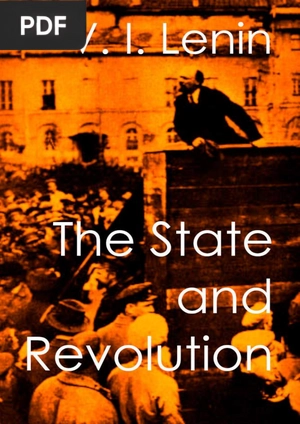
Lenin's classic on the Marxist theory of the state, written on the eve of the October Revolution. Explains why workers must replace the old state rather than take it over.
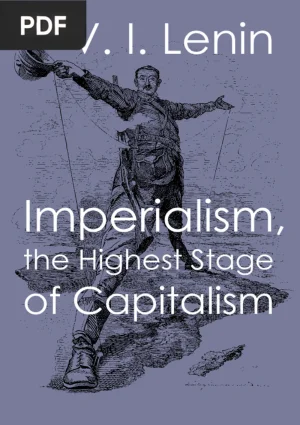
Lenin's analysis of monopolies, finance capital and the division of the world among the great powers. The core text of the Marxist theory of imperialism.
Engels, Bebel and others asked a question that still matters: can women be free while housework stays unpaid? These Marxist feminism books trace that debate from 1884 to today.
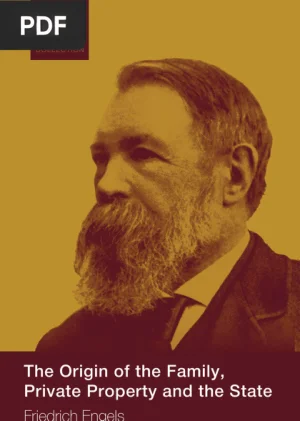
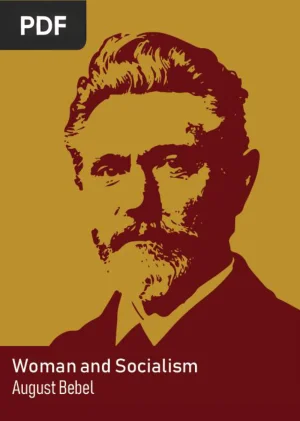
A landmark study of women's position from prehistory to capitalism and of how socialism could set them free. One of the most widely read socialist books of its time.
Every novel and poem is also a product of its time and its economy. These books show how Trotsky, Plekhanov and Caudwell read literature through class and history.
Trotsky's survey of Russian literature after 1917 and his argument about art, revolution and proletarian culture. A founding work of Marxist literary criticism.
A pioneering Marxist study of poetry, tracing how verse grows out of social labour and how it changed with capitalism. Written by a young critic killed in the Spanish Civil War.
Send this page to someone who’d love to read it. Everything is free, no sign-up needed.
Esc
Start typing to search...
Searching...
No results found
Try different search terms
Your book is downloading!
If InfoBooks helped you, you can support us in one click: add us as a preferred source on Google. You'll see more of our books when you search, and you'll help us keep sharing free reading with everyone.
Done! Your book is downloading
Know someone who’d enjoy reading it? Send them this page. It’s free, no sign-up needed, and you help us spread the love of reading.