Looking for a gymnastics book in PDF that helps you train, coach or judge? Here you'll find free manuals on artistic, rhythmic and trampoline gymnastics.
Many of these books come from the FIG, the International Gymnastics Federation. You'll find the official Codes of Points, conditioning plans and classic texts on the history of the sport.
These guides are made for gymnasts, coaches and parents. Every book is free to download, no sign-up needed.
📚
Download every Gymnastics book on this page
All the books on this page in one ZIP file, instead of downloading them one by one.
We will redirect you to accounts.google.com to complete sign-in.
Email and name only · We never send spam
Access unlocked
Download every Gymnastics book on this page
All the books on this page in one ZIP file, instead of downloading them one by one.
Direct download · One ZIP file
Download started. Check your downloads folder for the ZIP.
Beginners
Gymnastics Books for Beginners
New to gymnastics, or coaching your first group? These beginner gymnastics books cover basic skills, safety and how a good first class looks.
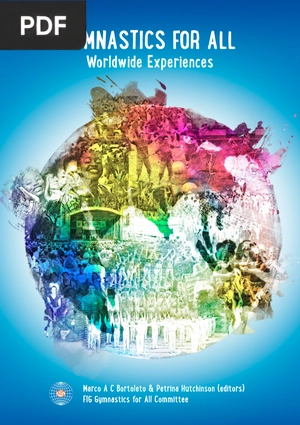
Coaches and teachers from around the world share how gymnastics can welcome every age and ability. A colorful, inspiring look at group routines, festivals and community programs that anyone can join.
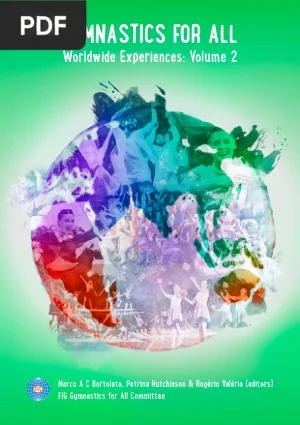
The second volume brings new stories of gymnastics clubs, schools and festivals that open the sport to everyone. Full of photos and practical ideas for building inclusive group programs.
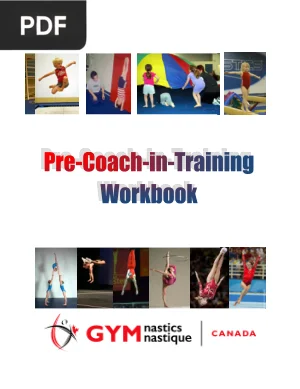
Made for teens who want to start helping in the gym, this workbook covers safety, basic body positions, spotting and how to run simple activities with young gymnasts.
A practical guide for anyone preparing to teach school gymnastics. It walks through basic skills, conditioning exercises, safety and lesson planning, with step by step skill descriptions.
This is where the official rules of artistic gymnastics live, with the FIG Codes of Points for women and men. You'll also find the Age Group Development Program that coaches use to plan each stage.
The official scoring rules for vault, uneven bars, beam and floor used at the Olympics and World Championships. Includes every element with its difficulty value and clear illustrations.
The current rules for the six men's apparatus, from floor and pommel horse to the high bar. Coaches and judges will find difficulty values, connection bonuses and deductions explained element by element.
The FIG plan for developing young female gymnasts step by step. It brings compulsory routines, physical and technical ability tests, ballet work and skill profiles for each age group.
A long-term development path for boys in artistic gymnastics, from first competitions to the junior level. Includes compulsory exercises, ability testing and skill acquisition profiles.
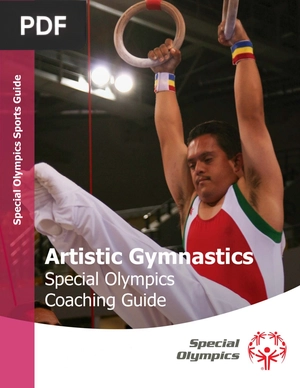
A complete coaching guide for artistic gymnastics, with season planning, skill progressions on every apparatus, spotting tips and photo sequences. Built for coaches of athletes with intellectual disabilities, and useful for any beginner group.
A clear glossary of the words used in artistic gymnastics, from body positions and dance skills to release moves on the bars. Perfect for parents, new coaches and therapists who work with gymnasts.
Strength and flexibility are what make every gymnastics skill possible. These manuals bring conditioning plans, drills and fitness tests you can take straight to the gym.
A full year of strength and conditioning for gymnasts, with dynamic warm-ups, mobility screens and periodized workouts. Each phase links to video demos, so coaches can take it straight to the gym.
Learn the hollow and arch positions, kipping, handstands, muscle-ups and more with clear skill progressions and spotting tips. Great for athletes who want gymnastics strength without a gymnastics background.
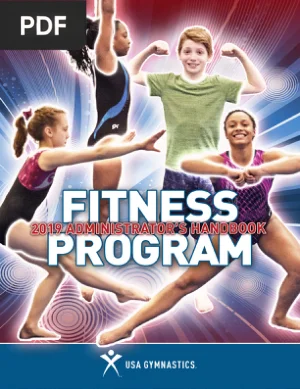
Conditioning exercises for three fitness levels, cardio games, baseline tests and simple nutrition handouts. A ready-made fitness plan for gym clubs and kids who want to get stronger.
Rope, hoop, ball, clubs and ribbon are the tools of rhythmic gymnastics. Start here to learn how routines are scored and which body difficulties count.
The official rules for individual and group rhythmic gymnastics with rope, hoop, ball, clubs and ribbon. It explains difficulty, artistry and execution scoring with tables and drawings of every element.
Every jump, leap, balance and rotation recognized in rhythmic gymnastics, each with its value and a drawing of the shape. A handy visual reference for gymnasts and coaches building routines.
A step by step coaching guide for rhythmic gymnastics, from warm-ups and ballet basics to skills with each apparatus. Includes season planning, drills and tips for safe, fun training sessions.
The rules young rhythmic gymnasts follow as they move toward competitive levels. It shows the apparatus for each level, the required elements and how routines are judged.
The official rules for trampoline, synchronized trampoline, double mini-trampoline and tumbling. Learn how difficulty, execution, time of flight and horizontal displacement are scored.
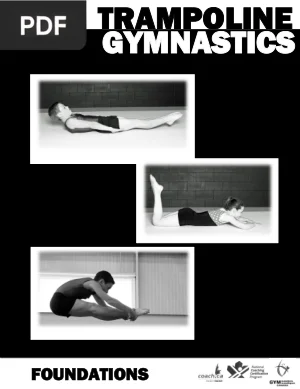
A coaching manual that builds trampoline skills from the ground up: body shapes, safe landings, drops, twists and first somersaults, all with progressions and photos.
A season-long conditioning plan made for trampoline athletes, from functional training for young kids to power and core work for competitors. Helps prevent injuries and build cleaner, higher jumps.
A short skill plan with readiness checklists that takes gymnasts from a stop bounce to twisting somersaults on the trampoline. Simple, tested drills any club can use.
Modern gymnastics was born in German schools over 200 years ago. These public domain classics show how the sport grew, from the first school programs to early competition.
The book that launched modern gymnastics, written by the German teacher known as the grandfather of the sport. It describes leaping, climbing, balancing and running exercises for schools, with copper plate illustrations.
The 1862 bestseller that brought light gymnastics into American homes and schools. With 300 illustrations of exercises with dumbbells, wands, rings and beanbags for every age.
A richly illustrated 1885 guide to the classic gym apparatus: horizontal bar, parallel bars, vaulting horse, rings and tumbling. A great look at how 19th century gymnasts trained.
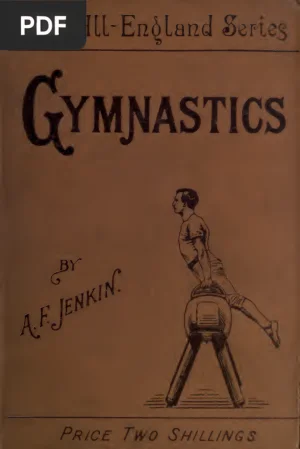
A Victorian handbook from the All-England Series covering exercises on the bars, rings, horse and trapeze, with drawings that show each movement. A charming record of early competitive gymnastics.
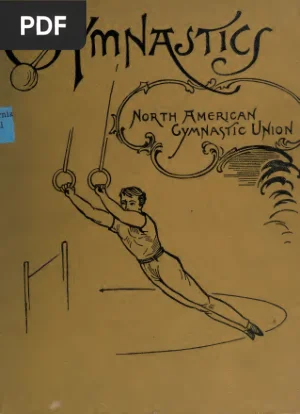
Graded lessons from the North American Gymnastic Union for teaching free exercises, apparatus work and games in schools. Shows how the German Turner tradition shaped physical education in America.
The Danish system that made Niels Bukh famous, with flowing exercises for strength, flexibility and agility shown in photographs. A classic that still inspires modern mobility and floor work.
Send this page to someone who’d love to read it. Everything is free, no sign-up needed.
Esc
Start typing to search...
Searching...
No results found
Try different search terms
Your book is downloading!
If InfoBooks helped you, you can support us in one click: add us as a preferred source on Google. You'll see more of our books when you search, and you'll help us keep sharing free reading with everyone.
Done! Your book is downloading
Know someone who’d enjoy reading it? Send them this page. It’s free, no sign-up needed, and you help us spread the love of reading.