These gynecology books in PDF are free to read and download. They cover women's reproductive health, from the uterus, ovaries and cervix to how their diseases are diagnosed and treated.
Every book comes from a source you can trust, like WHO, CDC, NIH, FIGO and ESHRE. You'll find textbooks for medical students, clinical guidelines and clear guides for patients.
Pick a section below and start reading. No sign-up, no fees, just the book you need.
📚
Download every Gynecology book on this page
All the books on this page in one ZIP file, instead of downloading them one by one.
We will redirect you to accounts.google.com to complete sign-in.
Email and name only · We never send spam
Access unlocked
Download every Gynecology book on this page
All the books on this page in one ZIP file, instead of downloading them one by one.
Direct download · One ZIP file
Download started. Check your downloads folder for the ZIP.
General
Books on General Gynecology
Start here if you're studying gynecology. These books cover postgraduate theory, clinical practice, professional ethics and the instruments you'll see in your OSCE.
A complete gynecology course for residents and specialists, from reproductive anatomy and endocrinology to benign disease, oncology, infertility and family planning. Forty years of clinical teaching condensed into one reference.
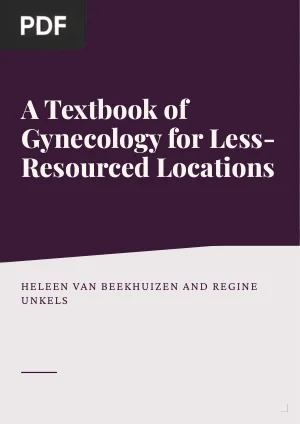
A practical clinical textbook organized by symptom and condition: pelvic pain, abnormal bleeding, pelvic masses, infections, fistula, prolapse and gynecologic cancer. Written by experienced clinicians for doctors who work with limited equipment.
The official ethics guidelines of the International Federation of Gynecology and Obstetrics, covering informed consent, confidentiality, adolescent patients, conflicts of interest and reproductive decision making. Each guideline is short, practical and ready to apply in clinical work.
A visual study guide for the OB-GYN OSCE: speculums, curettes, forceps and other instruments with their uses and complications, plus step-by-step pelvic and obstetric examinations. Photos of every instrument make it ideal for last-minute review.
These gynecologic cancer books explain cervical, ovarian, uterine and vulvar cancer, from screening to treatment. They come from WHO, CDC and the National Cancer Institute, for clinicians and patients alike.
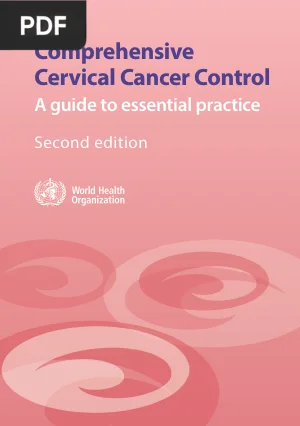
The WHO reference on cervical cancer from prevention to palliative care: HPV vaccination, screening with HPV tests and VIA, treatment of precancer, staging and management of invasive cancer. Includes practice sheets with step-by-step procedures.
A clear booklet on the five gynecologic cancers: cervical, ovarian, uterine, vaginal and vulvar. Explains warning signs, risk factors and prevention, with questions to ask your doctor.
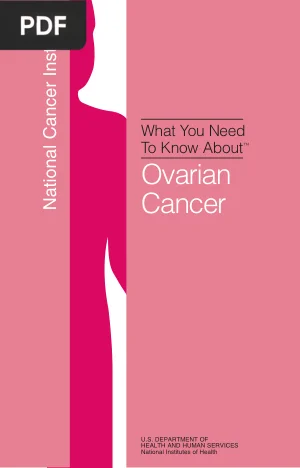
A patient guide to ovarian cancer covering risk factors, symptoms, diagnosis, staging, surgery, chemotherapy and follow-up care. Ends with a dictionary of the medical terms you will hear during treatment.
What an abnormal Pap or HPV test result really means, and what comes next. Covers screening guidelines, follow-up procedures like colposcopy, treatment of high-grade changes and HPV vaccination.
A guide for women newly diagnosed with cervical cancer. Explains staging, the treatment team, surgery, radiation and chemotherapy, and how to prepare for each conversation with your doctors.
Endometriosis, PCOS, menopause and premature ovarian insufficiency, explained in the guidelines specialists follow. Some are full clinical guidelines from ESHRE, and others are plain-language guides for patients.
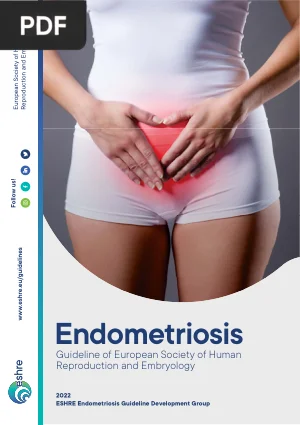
The 2022 European guideline on endometriosis, with evidence-based recommendations on diagnosis, pain treatment, surgery, infertility, adolescents and menopause. The standard specialists follow across Europe and beyond.
European Society of Human Reproduction and Embryology
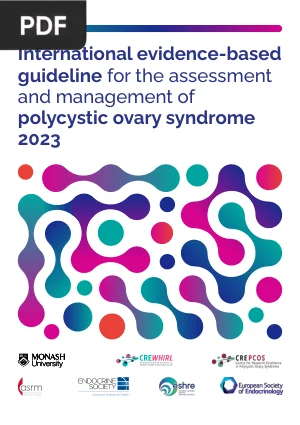
The 2023 international guideline on PCOS, developed with ASRM, ESHRE and the Endocrine Society. Covers diagnosis, irregular cycles, metabolic risk, weight management, emotional wellbeing and fertility treatment.
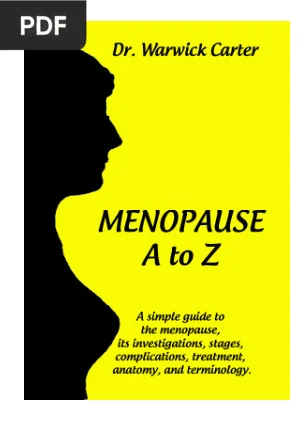
A plain-language guide to menopause: its stages, symptoms, tests, complications and treatments, including hormone therapy. Ends with an A to Z glossary of every term you are likely to hear.
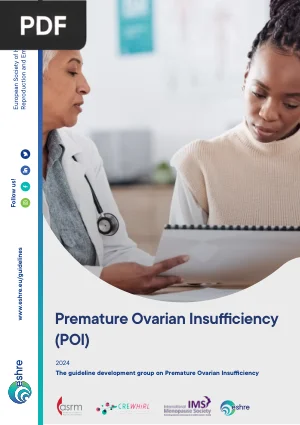
The 2024 international guideline on premature ovarian insufficiency, written with ASRM and the International Menopause Society. Covers diagnosis, hormone therapy, bone and heart health, fertility options and long-term follow-up.
European Society of Human Reproduction and Embryology
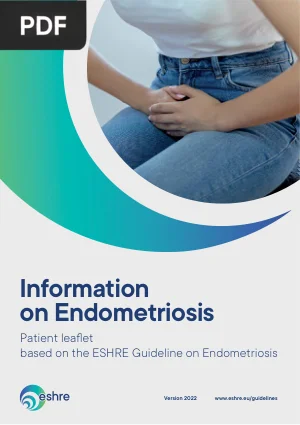
The patient version of the ESHRE endometriosis guideline. Explains symptoms, how diagnosis works, pain treatment options and what endometriosis means for fertility, in clear everyday language.
European Society of Human Reproduction and Embryology
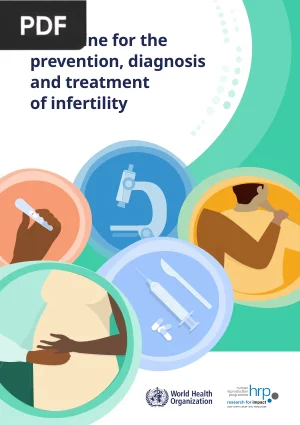
The first WHO guideline on infertility, published in 2025. Covers prevention, evaluation of both partners, ovulation disorders, tubal disease, unexplained infertility and when to move to IUI or IVF.
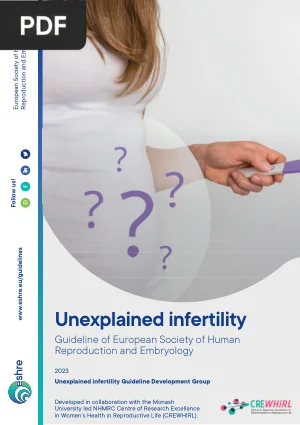
The 2023 ESHRE guideline for couples whose tests come back normal. Sets out which investigations are worth doing and compares expectant management, IUI and IVF with the evidence behind each.
European Society of Human Reproduction and Embryology
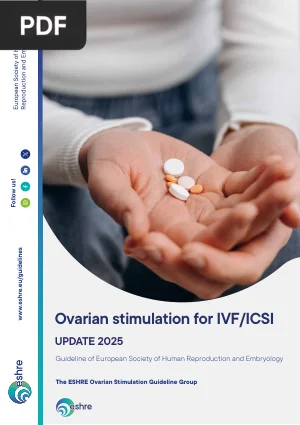
The 2025 update of the ESHRE guideline on ovarian stimulation for IVF and ICSI. Covers ovarian reserve testing, stimulation protocols, gonadotropin dosing, triggering ovulation and preventing ovarian hyperstimulation.
European Society of Human Reproduction and Embryology
Every contraceptive method, who can use it safely and how to start it. The WHO family planning handbook here is the reference providers use around the world.
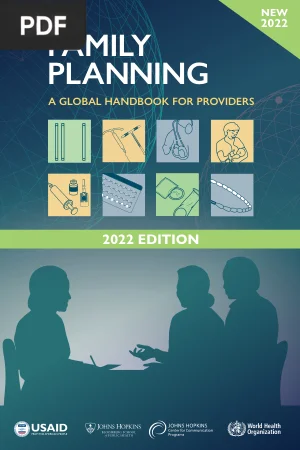
The handbook family planning providers use worldwide, 2022 edition. One chapter per method, from pills and injectables to IUDs, implants and sterilization, with eligibility checklists, side effects and counseling tips.
The sixth edition (2025) of the WHO criteria that say who can safely use each contraceptive method. Its tables cover dozens of medical conditions, from hypertension and migraine to breastfeeding and HIV.
The WHO companion to the eligibility criteria, fourth edition (2025). Answers the practical questions: when to start a method, what to do after missed pills or late injections, and which tests are really needed.
Send this page to someone who’d love to read it. Everything is free, no sign-up needed.
Esc
Start typing to search...
Searching...
No results found
Try different search terms
Your book is downloading!
If InfoBooks helped you, you can support us in one click: add us as a preferred source on Google. You'll see more of our books when you search, and you'll help us keep sharing free reading with everyone.
Done! Your book is downloading
Know someone who’d enjoy reading it? Send them this page. It’s free, no sign-up needed, and you help us spread the love of reading.