Herbology is the study of herbs as medicine, and herbalism is the craft of putting that knowledge to use at home. These free herbology books in PDF take you from your first herb to the materia medica that herbalists still use today.
You'll learn to make tinctures, teas and salves with herbs like chamomile, echinacea and calendula. You'll also find the WHO monographs, Culpeper's Complete Herbal and classic studies of Native American plant medicine.
Pick a section, open a PDF and start with one herb. Every herbal medicine book here is free to read online or download.
📚
Download every herbology and herbalism book on this page
All the books on this page in one ZIP file, instead of downloading them one by one.
We will redirect you to accounts.google.com to complete sign-in.
Email and name only · We never send spam
Access unlocked
Download every herbology and herbalism book on this page
All the books on this page in one ZIP file, instead of downloading them one by one.
Direct download · One ZIP file
Download started. Check your downloads folder for the ZIP.
Beginners
Herbalism for Beginners Books
Start here if herbs are new to you. These herbalism guides cover common herbs, how to identify them and how to use them safely.
A plain-language guide to 40+ popular herbs, from aloe vera and chamomile to echinacea and St. John's wort. Each two-page profile explains common uses, what the science says and the side effects to watch for.
A clear starting point in herbal medicine: what herbs are, how they are classified by action and energetics, and how to read a materia medica. Also covers preparation methods, safety and the history of herbalism.
A friendly beginner's herbal built around herbs you can find at the grocery store, with tips for building your own materia medica and a glossary of herbal actions. Written to make herbal knowledge free for everyone.
A field reference from the U.S. Department of Agriculture listing hundreds of wild medicinal plants, with common names, plant family, habitat and the part used. Handy for learning to recognize the herbs growing around you.
These books turn herbs into remedies you can make at home, from teas and tinctures to infused oils and salves. They are a good base for your own herbal apothecary.
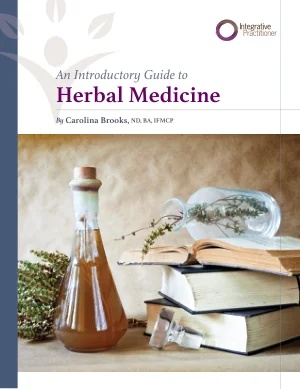
A physician's guide to making herbal teas, honeys, tinctures, glycerites, oils and salves at home. Includes remedies for colds, digestion, sleep, skin and women's health, with full-color photos throughout.
Step-by-step recipes for the core herbal preparations: infusions, decoctions, infused oils, salves and tinctures. Designed to print and keep in your kitchen apothecary.
A WHO handbook of herbal remedies for everyday complaints, from coughs and diarrhea to skin wounds, with the plant, the preparation and the dose for each. Built for health workers and useful for any home herbalist.
A Victorian physician's guide to single-herb remedies, from agrimony to yarrow, mixing folklore with the medical uses of his day. A rich source of traditional home cures, newly typeset for easy reading.
This is the reference shelf of every herbalist, with each herb's actions, doses and safety notes. It includes all four volumes of the WHO monographs on medicinal plants.
An evidence-informed quick reference to medicinal herbs, with A to Z monographs covering actions, constituents, safe dosing and herb-drug interactions. Includes guidance on herbs in pregnancy and pediatrics.
The first volume of the WHO reference series, with 28 monographs on widely used herbs such as garlic, aloe, chamomile and ginseng. Each entry covers identification, active compounds, medicinal uses, dosage and contraindications.
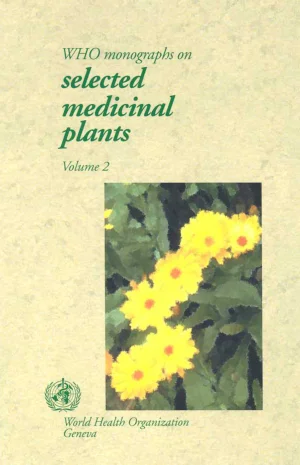
Thirty more WHO monographs on herbs such as marshmallow, dong quai, St. John's wort and bearberry. Each one details quality control, traditional and clinical uses, dosage and safety.
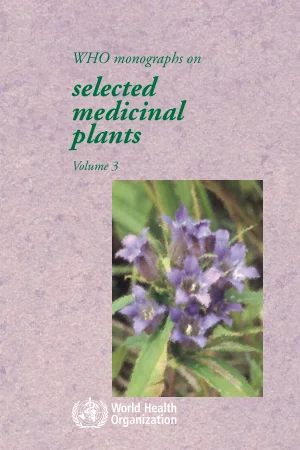
The third volume of the WHO series, with 31 monographs on medicinal plants used around the world. Covers botanical identification, chemistry, pharmacology, adverse reactions and posology for each herb.
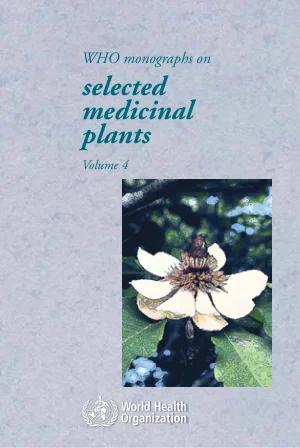
The latest volume of the WHO monographs, with 28 entries on herbs like elderflower, horse chestnut and lemon balm. A reliable reference for actions, evidence, contraindications and dosage.
Written centuries ago, these herbals shaped Western herbal medicine. Read Culpeper and John Hill, plus two histories of the old English herbals and their woodcuts.
Culpeper's famous 17th-century herbal, describing hundreds of English plants with their virtues, uses and the astrological rules that guided his medicine. Includes his directions for making syrups, conserves and ointments.
An 18th-century household herbal describing the English plants valued for their virtues, with directions for gathering and preserving herbs and recipes for distilled waters, syrups and conserves.
A delightful history of the English herbals from Anglo-Saxon manuscripts to Gerard, Parkinson and Culpeper. Shows how herbal knowledge was written down, illustrated and passed on.
These field studies record how Native American peoples used plants for medicine, food and ritual. They cover the Cherokee, Chippewa, Tewa and the tribes of the Missouri River.
A field study of how the Omaha, Ponca, Pawnee, Dakota and other Plains peoples used native plants for medicine, food and ritual. Lists each plant with its native names and uses, with photographic plates.
Densmore's record of Ojibwe plant knowledge, covering medicines, foods, dyes and crafts, with detailed tables of remedies and how they were prepared. Illustrated with photographs.
Cherokee healing formulas recorded from the medicine men's own manuscripts, with translations and notes on the plants used. A key source on Cherokee medicine and its view of disease.
Send this page to someone who’d love to read it. Everything is free, no sign-up needed.
Esc
Start typing to search...
Searching...
No results found
Try different search terms
Your book is downloading!
If InfoBooks helped you, you can support us in one click: add us as a preferred source on Google. You'll see more of our books when you search, and you'll help us keep sharing free reading with everyone.
Done! Your book is downloading
Know someone who’d enjoy reading it? Send them this page. It’s free, no sign-up needed, and you help us spread the love of reading.